Table of Contents Show
Digital marketing strategies aren’t just “tools” anymore — they’re the lifeline of modern business survival. Whether you’re a start-up, a small local brand, or a global powerhouse, 2026 demands a new level of adaptability. With AI rewriting the rules and consumer expectations hitting all-time highs, you must adjust how you attract attention, earn trust, and convert customers.
You’re no longer competing against just businesses.
You’re competing against algorithms, AI-generated content, creators, and platforms changing weekly.
This guide is your map through the storm — packed with fresh, future-ready strategies that position your brand for explosive growth.
Let’s jump in.
Understanding Digital Marketing Strategies in 2026
Digital marketing strategies in 2026 go far beyond posting content or running ads. They’re about building an ecosystem — a consistent, connected experience across search, social, video, email, and communities.
2026 digital marketing strategies focus on:
- Creating personalized experiences
- Providing authentic value
- Using AI to enhance (not replace) human creativity
- Building strong brand authority
- Delivering multi-platform consistency
In simple terms:
Marketing isn’t just communication anymore — it’s connection.
Businesses that understand this win. Those that don’t? They get buried under the noise.
Why 2026 Is a Turning Point for Digital Marketing
Several major changes hit the digital world between 2024 and 2026, and they’re reshaping everything you thought you knew.
1. AI became mainstream
- Generative AI now influences:
- Search results
- Content creation
- Advertising
- Customer service
- Personalization
- Brands that use AI strategically grow 3–5x faster.
2. Privacy rules changed everything
- With third-party cookies fading out, companies must rely on:
- First-party data
- Community data
- Email engagement
- Customer behavior insights
- This forces smarter marketing — not lazy tracking.
3. Platforms shifted dramatically
- TikTok dominates discovery
- YouTube dominates education
- Instagram dominates lifestyle & culture
- LinkedIn dominates B2B authority
- Facebook dominates community groups
- Every platform now plays a different strategic role.
4. Consumers expect more
People know when they’re being sold to — and they hate it.
What they want is:
- Real stories
- Useful content
- Fast answers
- Personalized interactions
- Ethical brands
2026 customers are informed, selective, and demanding.
And if you don’t meet those expectations?
They jump to a competitor instantly.
SEO in 2026: Experience, Relevance & Human Authority
SEO is undergoing its biggest evolution since Google first launched.
The search engine no longer rewards keyword stuffing or shallow blogs.
It rewards actual human expertise and demonstrated authority.
SEO success in 2026 revolves around three pillars:
1. EEAT+ (Experience, Expertise, Authority, Trustworthiness — Plus Human Insight)
Google’s algorithms now prioritize:
- First-hand experience
- Professional credibility
- Real storytelling
- Fact-based insights
- Cited sources
If your content feels robotic or vague, you simply won’t rank.
2. Search Intent Alignment
Instead of optimizing for what people type, you must optimize for what people mean.
Example:
“Best running shoes”
→ search intent = comparison, price, comfort, recommendation.
If your content doesn’t match intent, Google pushes it down.
3. Semantic Topic Mapping
Google sees topics as clusters, not isolated keywords.
To dominate SEO in 2026, you need:
- Full topic coverage
- Supportive sub-articles
- Connected pillar pages
This builds topical authority, which fuels rankings for years.
SGE & AI Search: The New Visibility Battle
The Search Generative Experience (SGE) is a game changer.
Google now gives AI-generated answers before showing traditional results.
Brands that fail to optimize for SGE lose up to 40% of organic traffic.
To win in SGE, you need:
- Crisp, direct answers
AI prefers concise, factual statements. - Structured content
Lists, bullet points, subheadings. - Conversational tone
SGE is built around natural language queries. - Strong authority signals
Human experience, examples, stats, stories. - FAQ-rich pages
SGE often pulls answers from FAQ sections.
SGE is no longer optional — it’s the new SEO battleground.
The Rise of Authority-Driven Content
In 2026, brands that teach win.
Brands that talk at customers lose.
Authority-driven content positions you as:
- A mentor
- A thought leader
- A trusted guide
This includes:
- Long-form guides
- Case studies
- Thought leadership articles
- In-depth tutorials
- Professional insights
When people trust your content, they trust your brand.
Short-Form Content as a Discovery Machine
Short-form content is where brands GET FOUND.
From TikTok to Instagram Reels to YouTube Shorts, these formats drive:
- Awareness
- Reach
- Virality
But they don’t sell — they attract.
Think of short-form as the top of your funnel.
Social Media Strategy Overhaul in 2026
Social media in 2026 is nothing like the algorithm-driven world we knew a few years ago. Platforms evolve monthly, and user behavior shifts even faster. Today, attention is the new currency — and capturing it requires intentional, platform-specific strategy.
Here’s how each major platform functions in 2026:
1. TikTok: The Discovery Engine
TikTok remains the #1 platform for brand visibility and viral reach. If your brand wants rapid audience growth, TikTok is where the magic happens.
What works here:
- 6–20 second videos
- Behind-the-scenes content
- Micro-stories
- Quick tips
- Humorous, authentic posts
- Bold hooks in the first 2 seconds
TikTok rewards raw authenticity — not polished production.
2. Instagram: The Lifestyle & Product Showcase
Instagram remains visually driven, but in 2026 it’s more about:
- Personality
- Micro-influencers
- Community feel
- Stories
- Reels
- Carousels that teach
If you’re not educating or entertaining, you’re ignored.
3. YouTube: The Authority Builder
YouTube is where trust is built.
High-ranking formats include:
- Tutorials
- Product reviews
- Long-form explainers
- Case studies
- Deep dives
- Documentaries
Shorts drive reach.
Long-form drives revenue.
4. LinkedIn: The B2B King
LinkedIn has evolved into a storytelling machine.
Trending content:
- Founder stories
- Lessons learned
- Industry insights
- Value-driven posts
- Mini-essays
People don’t want corporate speak—
They want relatable professionals with real experiences.
5. Meta (Facebook): The Community Stronghold
Facebook Groups remain powerful, especially for:
- Local businesses
- Niche audiences
- Coaching/education brands
- Shared interest groups
Groups convert significantly higher than pages or profiles.
In 2026, brands must stop treating all platforms the same.
Each platform has a different job.
Once you understand that, your social media ROI skyrockets.
Community-Based Digital Marketing Strategies
Community is becoming the heart of digital marketing in 2026.
People want belonging.
They want connection.
They want to feel seen.
Brands that build communities win loyalty that ads can’t buy.
Where communities thrive in 2026:
- Discord
- Facebook Groups
- WhatsApp Channels
- Telegram
- Subreddits
- Private membership hubs
Why community works so well:
- Higher retention
- Higher engagement
- Higher conversion
- Long-term trust
Community-led growth outperforms ad-led growth every time.
Email Automation 3.0
Email is still the undefeated champion of ROI — and in 2026, it’s smarter than ever.
AI turns email into a personal concierge.
Advanced features exploding in popularity:
Predictive delivery times
- Emails are sent when each subscriber is most likely to open them.
AI-generated segmentation
Every subscriber gets content based on:
- Behavior
- Interests
- Engagement history
- Purchase history
Smart product recommendations
- Email systems learn what a customer wants before they do.
Behavioral triggers
Emails automatically send when a user:
- Clicks a link
- Leaves a cart
- Watches 50% of a video
- Visits a product page
In 2026, emails aren’t “campaigns.”
They’re conversations powered by intelligent automation.
PPC Advertising in a Privacy-First World
As privacy regulations increase, PPC advertisers must adapt.
Biggest changes hitting PPC in 2026:
1. Cookieless Targeting
Brands must rely on:
- First-party data
- Contextual signals
- Predictive audiences
Google’s AI fills in the gaps — but not perfectly.
2. AI-Optimized Bidding
Manual bidding is practically obsolete.
AI systems optimize:
- Audience
- Timing
- Placements
- Creative combinations
Advertisers now manage AI — not clicks.
3. Cross-Channel Retargeting
Retargeting now spans:
- YouTube
- TikTok
- Connected TV
- Podcasts
It’s holistic — not platform-specific.
4. Programmatic Ads Boom
Programmatic systems buy ad space in real time, making campaigns faster and smarter.
This means better:
- Cost control
- Targeting
- Scalability
The brands who embrace AI-driven PPC will dominate in 2026.
Influencer Marketing Evolution
Influencer marketing is more powerful than ever — but the rules have changed.
2026 shifts include:
1. Micro-Influencers Take the Lead
10,000–100,000 follower creators deliver the best:
- Engagement
- Trust
- Conversion
Their audiences are niche and loyal.
2. Nano Influencers Build Deep Trust
These creators (under 10k followers) feel like friends to their audience.
They’re excellent for:
- Local brands
- Community building
- Product sampling
3. AI Influencers Go Mainstream
Yes — virtual influencers are real competitors now.
Brands use them for:
- Consistent content
- Controlled branding
- Scalable influencer campaigns
4. UGC (User-Generated Content) Explodes
Creators produce ads for brands, without posting on their own profiles.
Brands love UGC because:
- It’s authentic
- It’s high-performing
- It’s cheaper than influencer posts
UGC creators are the new “hidden army” of marketing.
Video Marketing Strategies for 2026
Video continues to outperform every other format.
Top-performing video types:
1. Long-Form Deep Dives
People watch 10–30 minute videos as long as they:
- Teach
- Explain
- Solve
- Entertain
2. Livestream Shopping
A mega trend in Asia, now booming globally.
Brands sell products live while interacting with viewers.
3. Short-Form Video
The king of reach.
But here’s the trick:
Short videos drive awareness → Long videos drive sales.
4. Voiceover + B-Roll Videos
These videos dominate TikTok and Reels.
Why?
They’re:
- Fast to make
- Easy to consume
- Highly shareable
5. Product Review Videos
People trust real opinions over ads.
Influencer and UGC reviews convert at crazy high rates.
CRO & Behavioral Psychology
To win in 2026, your website can’t just look good.
It must feel right emotionally.
Psychology-driven CRO includes:
Social proof dominance
Reviews, testimonials, case studies everywhere.
Loss aversion triggers
Limited-time offers and deadlines.
Visual hierarchy
Guiding the eye to what matters.
Personalization
Landing pages adapt based on:
- Location
- Device
- Behavior
Simplicity
Confusing pages kill conversions.
CRO in 2026 is about removing friction and amplifying desire.
Data & Predictive Analytics in 2026
If there’s one truth about digital marketing in 2026, it’s this:
Data beats opinions every single time.
Marketers once relied on assumptions—
Now they rely on machine learning models that predict behavior with surprising accuracy.
What predictive analytics tells you in 2026:
- Who is likely to buy
- When they’re likely to buy
- What offers they’ll respond to
- What content they prefer
- Which traffic sources produce the most loyal customers
Predictive analytics removes the guesswork and replaces it with confidence.
Omnichannel Customer Journeys
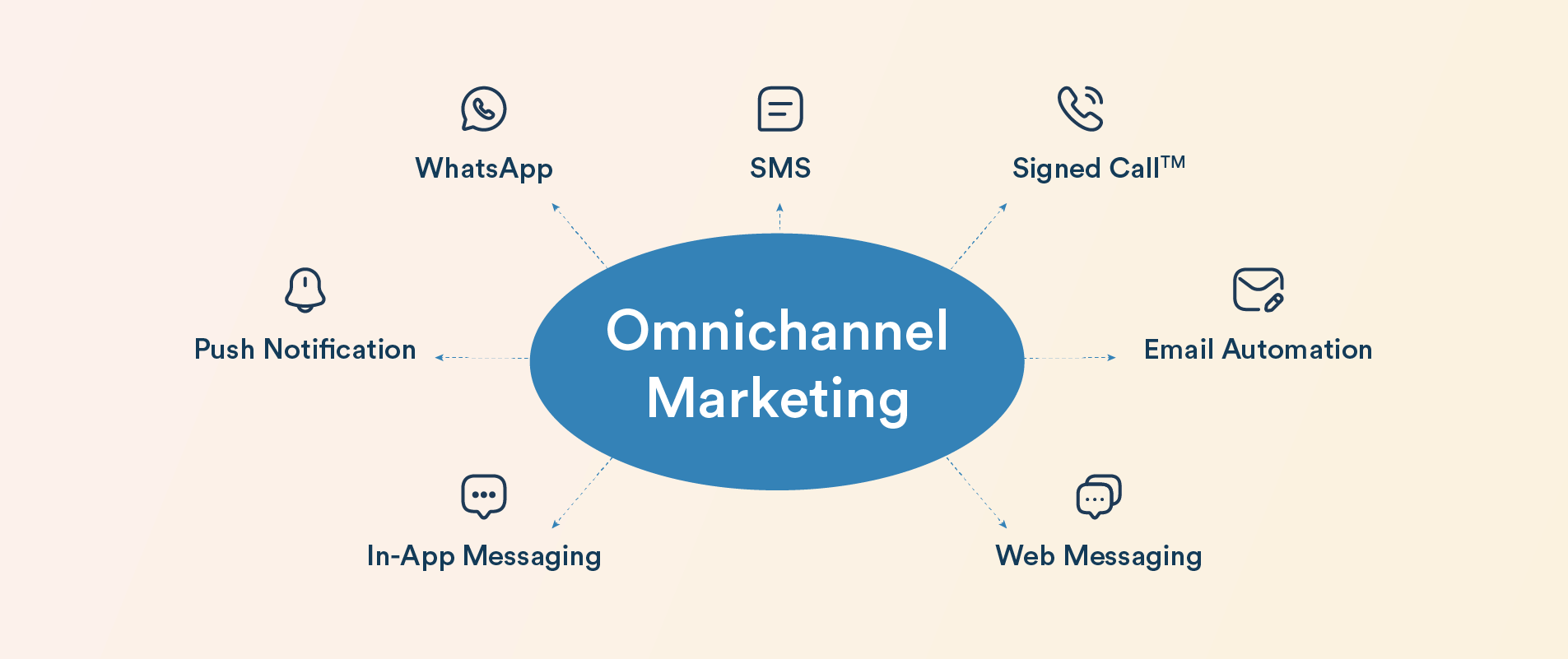
Consumers don’t follow linear paths anymore.
They zig-zag across platforms like this:
Instagram → Website → YouTube → Email → TikTok → Google → Website → Purchase
Your job?
Ensure the experience feels seamless and consistent at every stage.
An omnichannel ecosystem includes:
- Unified branding
- Shared first-party data
- Personalized messaging
- Audience tracking across all channels
- Integrated customer support
When omnichannel journeys flow smoothly, conversions rise effortlessly.
AI & Automation as Marketing Accelerators
AI isn’t here to replace marketers —
It’s here to make them superhuman.
By 2026, AI handles:
- Research
- Content outlining
- Keyword clustering
- Predictive analytics
- Behavior-based email automation
- Dynamic website personalization
Human marketers focus on:
- Strategy
- Storytelling
- Creative direction
- Empathy
AI gives you speed; humans give you soul.
Together, they’re unstoppable.
Hyper-Personalization Everywhere
2026 digital marketing strategies revolve around one powerful idea:
Every customer gets a tailored experience.
Examples of hyper-personalization:
- Custom landing pages
- Personalized recommendations
- Tailored video messages
- Adaptive email content
- Dynamic pricing
- Shopping experiences unique to each buyer
Generic marketing feels cold.
Personalized marketing feels magical.
Voice Search, Wearables & AR Marketing
Search is no longer just typing.
It’s speaking.
It’s swiping.
It’s augmented reality.
Devices shaping 2026 search:
- Smart speakers
- AR glasses
- Smartwatches
- Smart TVs
- Car dashboards
- VR headsets
Brands must optimize content for:
- Conversational queries
- Local, voice-driven searches
- Visual AR product overlays
The brands preparing for these now are the ones dominating tomorrow.
Web3 & Decentralized Marketing
Web3 is still emerging — but it’s gaining real traction among digitally native consumers.
2026 Web3 marketing opportunities:
- Tokenized loyalty programs
- Blockchain-tracked authenticity
- NFT-based membership clubs
- Customer-owned data protection
- Decentralized communities
Brands that embrace Web3 early stand out as innovators.
2026 Digital Strategies for Small Businesses
Small businesses don’t need massive budgets — they need smart execution.
Best high-impact, low-cost strategies:
- Local SEO optimization
- Weekly short-form content
- A simple but effective email funnel
- Google Business Profile updates
- UGC collaborations
- Community participation
In 2026, small businesses win by being faster, more human, and more accessible.
Common Mistakes to Avoid in 2026
Even the best marketers fail when they cling to outdated methods.
Avoid these mistakes:
- Ignoring AI tools
- Posting randomly without strategy
- Over-relying on paid ads
- Ignoring mobile-first design
- Creating generic content
- Skipping analytics
- Failing to build community
The future belongs to brands that adapt — quickly.
The Future Beyond 2026
Digital marketing between 2027 and 2030 will evolve even more dramatically.
Expect major leaps in:
- AGI-driven marketing assistants
- Fully immersive AR/VR shopping
- Predictive everything
- Real-time personalization
- Holographic product demonstrations
- Hyper-automated workflows
The digital world is accelerating.
Your marketing strategies must accelerate with it.
FAQs About Digital Marketing Strategies
1. What are digital marketing strategies in 2026?
They are advanced online methods—powered by AI, personalization, automation, and community growth—that help brands attract and convert customers in a fast-changing digital environment.
2. Which digital marketing strategy works fastest?
Short-form content + paid ads + influencer collaborations offer the fastest visibility and conversions.
3. Is SEO still important in 2026?
Absolutely. SEO powers SGE visibility and long-term organic traffic.
4. Do small businesses need to use AI?
Yes — AI is now essential for content, analytics, automation, and decision-making.
5. What’s the biggest marketing trend in 2026?
Hyper-personalization powered by AI.
6. What should businesses stop doing?
Stop generic posting, ignoring analytics, and relying on outdated tactics from 2018–2022.
Conclusion
Digital marketing strategies in 2026 aren’t optional checklists — they’re the lifeblood of business growth. Success comes from blending AI, creativity, personalization, community, and strategic content. Whether you’re a small business or a global brand, embracing these strategies will help you dominate in a digital world that refuses to slow down.
The future rewards the bold — the brands willing to adapt, innovate, and connect deeply with their audiences.
Start today.
The digital world won’t wait.