
Table of Contents Show
Understanding Artificial Intelligence in Web Design
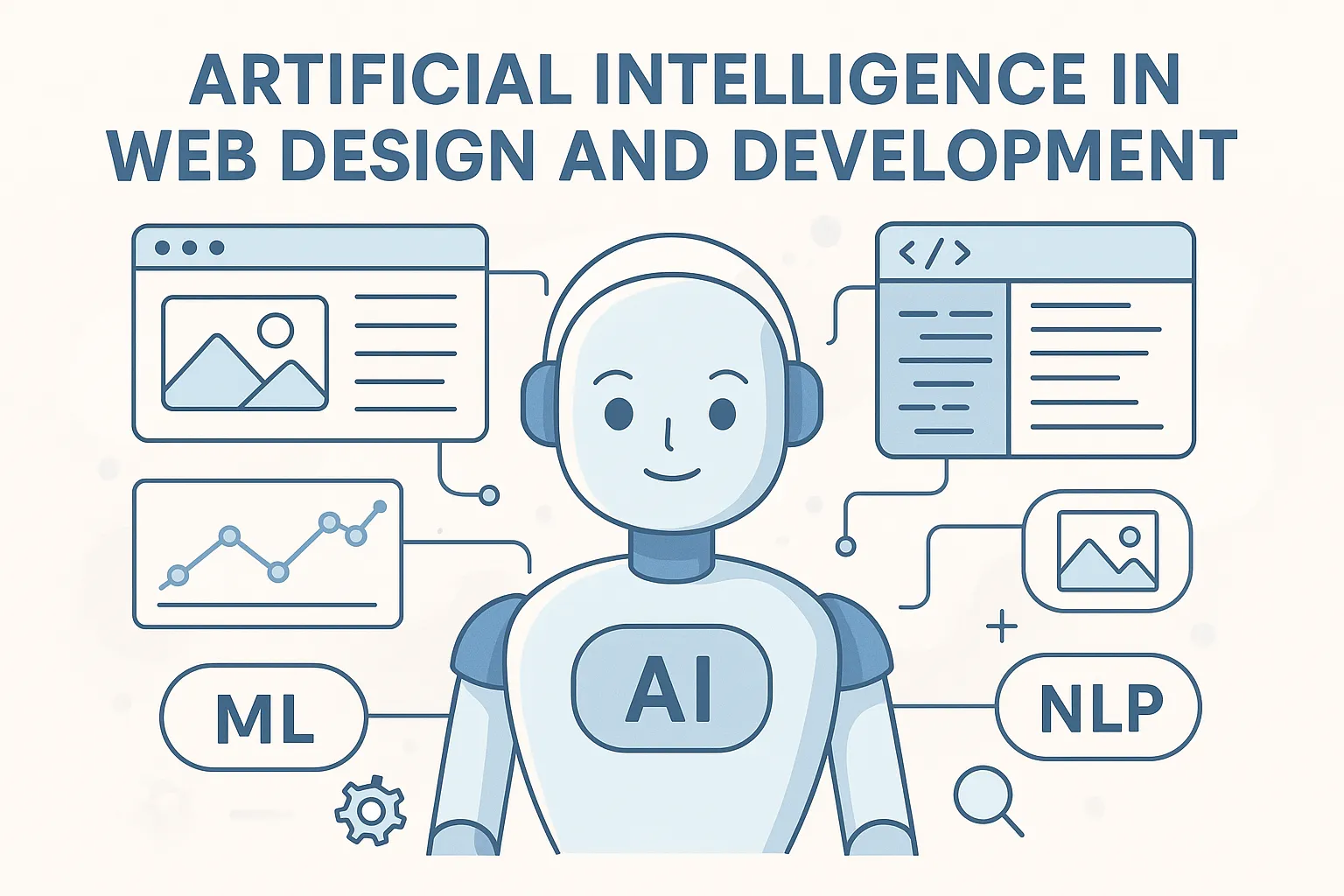
Artificial Intelligence (AI) has become the foundation of modern digital experiences. In web design and development, AI refers to intelligent algorithms and systems that can learn from data, make predictions, and automate complex processes. From chatbots that provide instant support to design tools that automatically generate layouts, AI is reshaping how websites are built and experienced.
The Evolution of AI-Powered Web Development
Web development has evolved from simple static pages to dynamic ecosystems driven by AI. Initially, websites required manual coding for every feature. Today, AI-powered frameworks can predict user needs, generate content dynamically, and optimize performance automatically. This shift signifies a move from traditional creation to intelligent collaboration between humans and machines.
How AI Enhances User Experience (UX) and Interface Design (UI)
AI helps designers craft personalized and data-driven user experiences. Machine learning models analyze user behavior to adjust layouts, recommend content, and even predict future actions. Tools like Adobe Sensei and AI-based heatmaps guide designers toward higher engagement rates and better usability, resulting in more intuitive, human-centered designs.
Key AI Technologies Used in Modern Web Design
Machine Learning (ML) and Predictive Analytics
Machine learning algorithms enable websites to understand user behavior and predict outcomes. ML models help e-commerce platforms recommend products, tailor content, and improve conversion rates. Predictive analytics also assists developers in forecasting user flows and preventing drop-offs before they occur.
Natural Language Processing (NLP) and Chatbots
NLP allows websites to communicate naturally with users through AI-powered chatbots. These virtual assistants provide 24/7 support, interpret user queries, and improve their accuracy over time. Advanced NLP tools like Dialogflow and IBM Watson ensure contextual, human-like conversations that enhance customer satisfaction and trust.
Computer Vision and Image Recognition
Computer vision is another powerful AI component. It helps developers create image-driven functionalities such as visual search, automatic tagging, and accessibility tools. In web design, AI can analyze imagery to ensure color harmony, composition balance, and even detect brand inconsistency in visuals.
Benefits of AI in Web Development
Faster Development Cycles and Automation
AI dramatically reduces development time through automated coding and testing. Platforms like Wix ADI generate fully functional websites within minutes, while AI-based tools identify bugs and optimize code for performance. This automation allows developers to focus on creativity and innovation rather than repetitive coding tasks.
Enhanced Accessibility and Usability
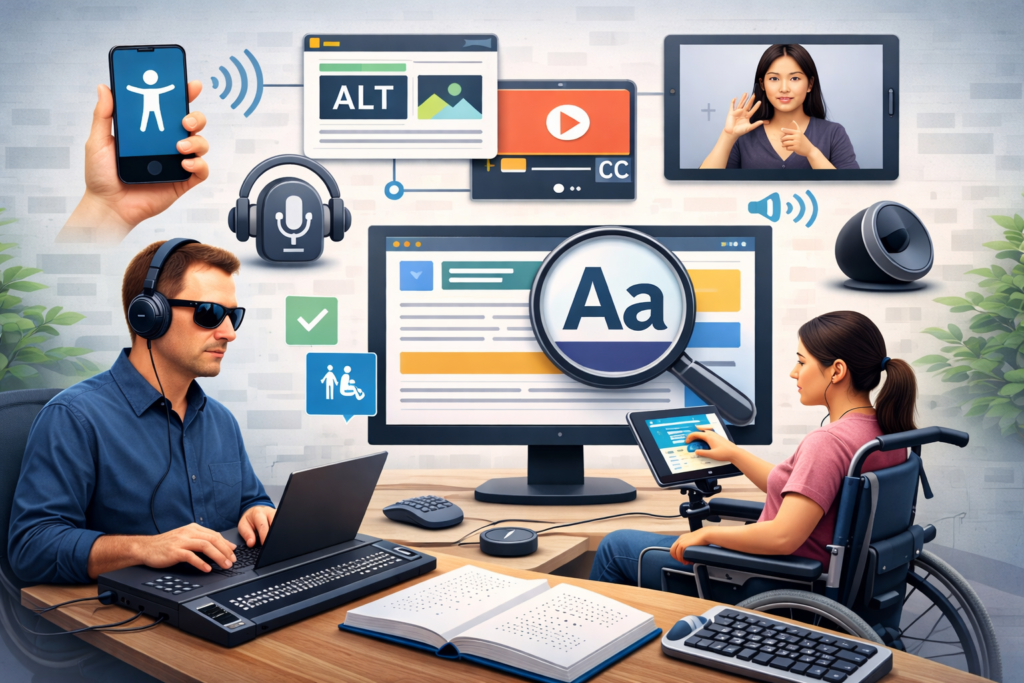
AI ensures inclusivity by improving accessibility for all users. Automated tools check contrast ratios, generate descriptive alt texts, and simplify navigation structures for users with disabilities. This not only boosts usability but also helps meet global accessibility standards such as WCAG.
Intelligent SEO and Content Optimization
AI-powered platforms like Surfer SEO, Clearscope, and MarketMuse analyze high-performing pages and suggest ways to improve rankings. From keyword placement to internal linking strategies, AI optimizes both on-page and technical SEO. It ensures your content is search-engine-friendly and aligned with user intent.
Real-World Examples of AI in Web Design
Wix ADI, Adobe Sensei, and Bookmark — Popular AI design platforms transforming workflows
Leading platforms have already embedded AI deeply into their design ecosystems. Wix ADI (Artificial Design Intelligence) creates full websites based on a few user inputs about business type and style preferences. Adobe Sensei leverages AI for smart cropping, layout suggestions, and intelligent tagging, empowering designers to work faster and smarter. Meanwhile, Bookmark’s AIDA engine uses natural language prompts to design personalized websites within minutes, simplifying the process for non-coders and professionals alike.
Custom AI Integrations for Businesses — How enterprises use AI to tailor web experiences
Many enterprises now implement custom AI integrations to personalize digital experiences. Retailers use AI to recommend products based on browsing history, while SaaS companies apply predictive analytics to improve user onboarding. Businesses are also building AI-driven content recommendation engines and real-time customer support systems that enhance engagement and increase conversions.
Challenges and Limitations of AI in Web Design
Over-Reliance on Algorithms
While AI is powerful, excessive dependence on automation can stifle creativity. Algorithms are limited by their training data and can sometimes produce repetitive or uninspired results. A balance between AI efficiency and human imagination is essential to maintain originality.
Data Privacy and Security Issues
AI systems depend heavily on user data to function effectively. Improper handling of this data raises privacy and ethical concerns. Web developers must ensure compliance with global data protection laws such as GDPR and CCPA to safeguard user trust.
The Need for Human Oversight
AI lacks emotional intelligence and contextual awareness. Human designers and developers remain critical for interpreting brand voice, ethical decisions, and nuanced creative choices that algorithms cannot replicate.
The Future of Artificial Intelligence in Web Design and Development
Generative Design and AI-Driven Creativity
Generative AI tools are changing the design landscape. They can create countless layout variations, color schemes, and typography options based on simple user inputs. This speeds up creative workflows and expands design possibilities beyond traditional methods.
Voice and Gesture-Based Interfaces
The rise of voice and gesture-based navigation will redefine web interactions. AI enables websites to respond to voice commands and gestures, offering immersive, accessible experiences that feel more natural than typing or clicking.
How to Implement AI in Your Web Development Workflow
Choosing the Right AI Tools
Select AI solutions that fit your project scale and objectives. For design automation, tools like Adobe Sensei and Uizard are excellent choices, while developers may prefer TensorFlow.js or OpenAI’s APIs for coding support.
Integrating AI APIs and Plugins
Use APIs and plugins to connect AI capabilities directly to your CMS or development stack. Common integrations include NLP-based chatbots, computer vision modules, and personalization engines that dynamically adjust content for each user.
Testing and Optimizing AI Features
Regularly test AI components for performance and UX impact. Evaluate load times, conversion rates, and engagement metrics to ensure AI enhancements deliver measurable value rather than complexity.
Frequently Asked Questions (FAQs)
How does AI improve web design?
AI improves web design by automating repetitive tasks, enhancing UX personalization, and providing data-driven insights that help designers make informed decisions.
Is AI replacing web designers?
No. AI assists designers by automating mechanical tasks, freeing up time for creative thinking and strategy. Human creativity and emotional intelligence remain irreplaceable.
What are the best AI tools for web design?
Popular tools include Wix ADI, Adobe Sensei, Bookmark AIDA, and AI-driven SEO platforms like Surfer SEO and MarketMuse.
How can AI make websites more accessible?
AI automatically generates alt text, improves color contrast, and provides voice-based navigation to support users with disabilities.
What are the main challenges of AI in web development?
Key challenges include data privacy, bias in algorithms, and maintaining a balance between automation and human creativity.
What is the future of AI in web design?
The future will bring AI-generated designs, voice-activated interfaces, and self-optimizing websites that adapt in real-time to user needs.
Conclusion: Embracing the AI-Driven Web Future
The adoption of Artificial Intelligence in Web Design and Development marks a pivotal shift toward smarter, faster, and more human-centered digital experiences. AI empowers creators to design intelligently while maintaining creative control. The most successful future websites will blend AI efficiency with human empathy — a perfect harmony between technology and creativity.
External Resource: Learn more from Google AI Blog — a trusted source for the latest in artificial intelligence research and applications.